
Planning Your First Family Camping and Fishing Weekend: A Stress-Free Guide
Affiliate Disclosure: This post contains affiliate links. If you purchase through these links, we may earn a small commission at no extra cost to you, which helps us keep the Reel Family Fishing community growing.
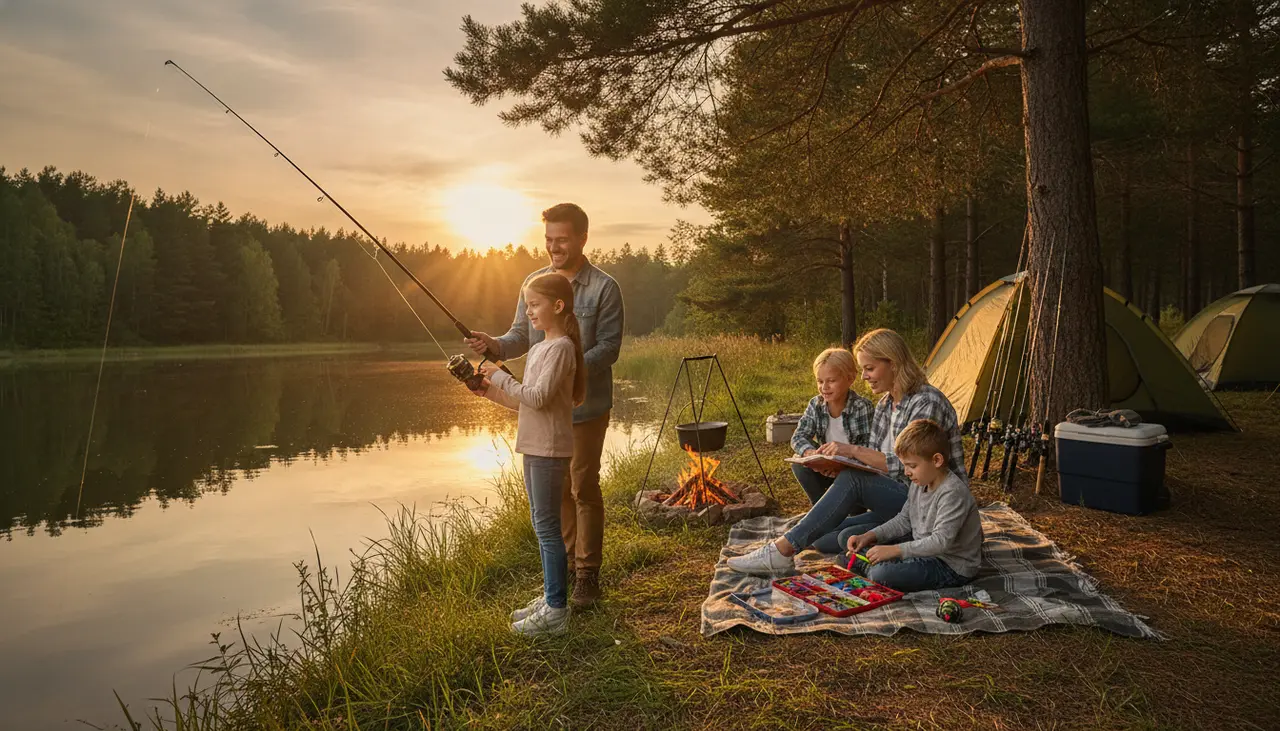
Successful family fishing trip planning comes down to one golden rule: prioritize the experience over the "big catch." To ensure a stress-free weekend, choose a campsite with easy bank access, pack versatile gear that minimizes setup time, and maintain a flexible schedule that allows for naps, snacks, and spontaneous exploration.
This guide is for parents and guardians who love the outdoors but feel the weight of a busy work week. If you want to introduce your children to the joy of a tight line without the stress of "pro-level" expectations, you are in the right place. We’re here to help you navigate the logistics so you can focus on making memories.
The Essentials: Balancing Comfort and Utility
When we head out for a weekend, we aren't just anglers; we’re camp chefs, gear technicians, and entertainment directors. Having the right equipment for both the "camping" and "fishing" sides of the trip is crucial.
| Feature | Best For... | Why We Recommend It | | :--- | :--- | :--- | | Portable Camping Stoves | Quick Family Meals | Dual-burner models allow you to cook coffee and pancakes simultaneously, saving precious morning fishing time. | | Ergonomic Camp Chairs | Shoreline Waiting | Look for chairs with built-in rod holders or side tables to keep tackle and snacks within reach. | | All-in-One Fishing Kits | Beginner Success | These kits often include pre-spooled reels and a basic tackle assortment, reducing the "did I forget the hooks?" anxiety. |
Step 1: Choosing Your "Home Base"
Not every beautiful lake is a great family destination. When you are in the planning phase, look for:
- Bank Access: Kids can get frustrated on boats. A grassy bank or a sturdy pier allows them to run around when the bite is slow.
- Amenities: If this is your first time, a site with clean restrooms and a nearby general store can be a lifesaver.
- Species Variety: Look for "panfish" or "sunfish" lakes. High-volume catches of small fish keep kids much more engaged than waiting hours for one trophy bass.
Step 2: Gear Up Without the Complexity
You don't need a professional-grade setup to have a blast. In fact, overly complex gear is often the biggest hurdle for families. For the kids, look for "tangle-free" designs. For the adults, a reliable spinning reel is the way to go.
If you are unsure what size rod or reel fits your child's age, check out /articles/the-reel-family-fishing-master-buying-guide-gear-for-every-age-and-stage for a breakdown of age-appropriate equipment.
For the parents, we recommend starting with a versatile setup. You can find our top picks in our guide on the /articles/best-spinning-reels-for-beginners-in-2024-a-family-friendly-guide.
Step 3: Managing the Schedule (The "Parent-to-Parent" Secret)
The biggest mistake we make is trying to fish for eight hours straight. Kids (and honestly, some adults) just aren't built for that.
The Ideal Weekend Rhythm:
- Early Morning: This is "Prime Time." Fish while the water is calm.
- Late Morning: Brunch at the campsite using a reliable portable stove.
- Afternoon: This is for "non-fishing" fun. Go for a hike, take a nap, or let the kids play in the dirt. This prevents "fishing burnout."
- Evening: A short session before sunset, followed by s'mores.
Common Beginner Mistakes to Avoid
- Over-packing Tackle: You don't need five bait trays. A single small box with hooks, bobbers, and some soft plastics is usually enough.
- Ignoring the "Comfort" Gear: A cold, hungry, or sunburnt child will want to go home immediately. Invest in high-quality polarized sunglasses to protect their eyes and help them see the fish.
- Using Heavy Line: Many beginners use 20lb test line for 1lb fish. This makes casting difficult. Stick to 6lb or 8lb monofilament for most pond and lake outings.
Frequently Asked Questions
What is the best age to start taking kids fishing? Most children can start "helping" as early as age 3 or 4 with a very short rod. By age 6, they can usually begin learning to cast on their own.
Do I need a license if I'm only helping my kids? In most states, adults need a fishing license even if they are just baiting hooks or casting for a child. Always check your local Department of Natural Resources (DNR) website before heading out.
What if the fish aren't biting? Have a "Plan B." Whether it's a scavenger hunt around the campsite or a dedicated "rock skipping" contest, keep the energy positive. The goal is for them to love being outside.
Your Family Weekend Checklist
- [ ] Fishing Licenses: Printed or saved on your phone.
- [ ] Safety First: Life jackets for the little ones, even for bank fishing.
- [ ] The "Kitchen": Portable stove, fuel, and a heavy-duty cooler.
- [ ] The "Living Room": Comfortable folding chairs and a pop-up canopy for shade.
- [ ] The Gear: Rods, reels, and a basic tackle kit.
Planning your first trip is about building a foundation for years of future adventures. We know it takes a little extra effort to get everyone out the door, but the moment your child feels that first tug on the line, every bit of preparation becomes worth it. Happy fishing!